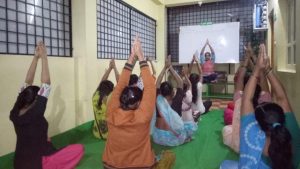
How Meditation & Yoga Help in Addiction Recovery
Addiction recovery is not only about detoxing the body—it is also about healing the mind, emotions, and spirit. While medicines and counselling play a major role, practices like meditation and yoga have become powerful complementary therapies in de-addiction centres across India. These ancient techniques help reduce cravings, calm the mind, improve physical strength, and create a long-lasting sense of balance.
In this blog, we explore how meditation and yoga support individuals in overcoming addiction and rebuilding a healthier life.
1. Meditation & Yoga: A Holistic Approach
Meditation and yoga work on the mind–body connection. Addiction disrupts this balance and creates stress, anxiety, and unhealthy habits. Both practices help:
Reduce stress and emotional triggers
Improve focus and self-awareness
Strengthen the body
Build discipline and inner peace
This holistic approach supports long-term sobriety.
2. How Meditation Helps in Addiction Recovery
Meditation brings stillness to the mind and helps individuals process difficult emotions without turning to substances.
✔ Reduces Cravings
Meditation activates the brain regions responsible for impulse control.
This reduces the urge to drink or use drugs during recovery.
✔ Controls Stress & Anxiety
Addiction feeds on stress.
Meditation lowers cortisol (stress hormone) and promotes emotional stability.
✔ Improves Sleep
Many patients struggle with insomnia during detox.
Guided meditation helps improve sleep patterns naturally.
✔ Enhances Self-Control
Meditation builds awareness of thoughts and emotions.
This helps individuals identify triggers and avoid relapse.
✔ Supports Emotional Healing
Meditation helps release guilt, shame, fear, and other difficult emotions that often accompany addiction.
3. Types of Meditation Used in Rehab Centres
Different forms of meditation are used based on a person’s needs:
Mindfulness Meditation – Observing thoughts without reacting
Breathing Meditation (Pranayama-based) – Calming the mind through breath
Guided Imagery – Visualizing peaceful scenes and healing
Mantra Meditation – Repeating positive affirmations
Body Scan Meditation – Releasing physical tension
These techniques help individuals stay grounded throughout recovery.
4. How Yoga Helps in Addiction Recovery
Yoga is more than physical exercise; it is a therapeutic practice that restores strength, flexibility, and emotional balance.
✔ Detoxifies the Body
Yoga improves circulation, supports organ function, and helps remove toxins faster.
✔ Reduces Withdrawal Symptoms
Gentle yoga poses ease symptoms like:
Restlessness
Muscle pain
Anxiety
Fatigue
✔ Improves Mental Health
Yoga releases endorphins—the “feel-good” hormones—naturally replacing the temporary pleasure created by addictive substances.
✔ Builds Routine & Discipline
Recovery requires consistency.
Yoga creates a daily structure that helps individuals stay focused on healing.
✔ Boosts Energy & Immunity
Regular yoga improves:
Lung capacity
Immunity
Digestive health
Overall stamina
This is essential after months or years of substance abuse.
5. Common Yoga Practices in Addiction Recovery Centres
Rehab centres usually include:
Hatha Yoga – Gentle poses, ideal for beginners
Restorative Yoga – Deep relaxation and healing
Pranayama – Breathing exercises to calm the nervous system
Surya Namaskar – Improves mobility and boosts energy
Yoga Nidra – Deep meditative relaxation for emotional balance
These practices are safe even for beginners or those with low stamina.
6. The Combined Power of Yoga + Meditation
When used together, yoga and meditation offer powerful benefits:
Meditation calms the mind.
Yoga strengthens the body.
Both create emotional stability.
Together, they reduce relapse risk significantly.
This combination teaches individuals to live with awareness, clarity, and self-control.
7. Long-Term Benefits for Recovering Patients
People who continue yoga and meditation after completing treatment often experience:
Better mental clarity
Emotional stability
Lower stress levels
Improved relationships
Higher self-esteem
Strong commitment to sobriety
These habits become part of a healthy lifestyle that supports lifelong recovery.
Conclusion
Meditation and yoga are not just supportive therapies—they are transformative practices that help individuals heal from within. In addiction recovery, they provide the emotional strength, discipline, and inner calm needed to break free from destructive habits and rebuild a healthier, more meaningful life.
📞 Contact us today: +91-9315776043
🏠 Address: House No. 2, Phase 1, Pushpanjali Residency, Opp. Puranik City Street, Owale, Thane West, Mumbai – 400607
🌐 Visit our website:- www.nashamuktikendramumbai.com